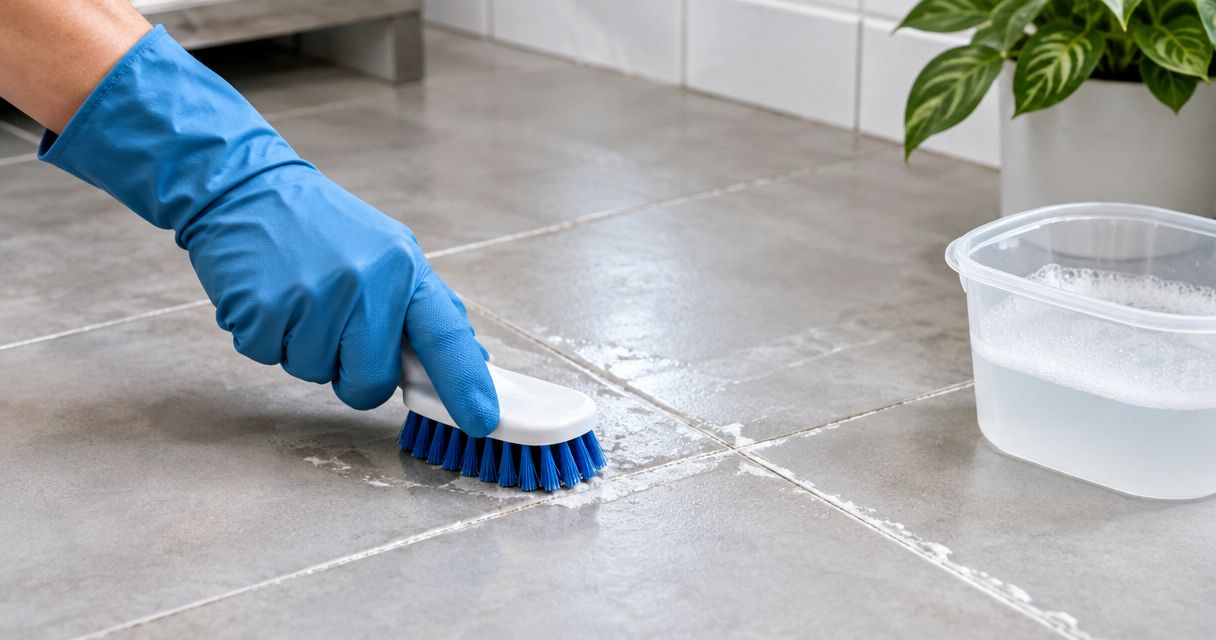
Yes—tile and grout cleaning is worth considering before resale when visible dirt is the main problem and the floor is otherwise sound. The benefit is a cleaner presentation, not a guaranteed increase in your sale price; cleaning does not repair cracked tile, loose flooring, or failing grout. For a 2026 listing, judge the work by the condition it improves rather than an assumed financial return.
- Is tile and grout cleaning worth it for resale value? Yes for dirty, intact floors—not as a guaranteed return.
- Choose cleaning for surface soil; assess cracks, loose tile, and recurring moisture separately.
- Michaels Carpet Care provides tile and grout cleaning for homeowners in McKinney, Frisco, Plano, and Allen.
- Request a test area before expecting stained grout to regain its original color.
Why this matters
A dirty floor and a damaged floor need different decisions. Cleaning addresses soil and residue; repair addresses failed materials. Treating those as interchangeable makes it harder to decide what belongs on your presale task list.
Michaels Carpet Care provides tile and grout cleaning in North Texas. Before arranging any work, identify whether your concern is appearance, physical damage, or moisture. That distinction matters more than choosing the strongest cleaning method.
Spend to correct an observable problem, not to chase an unsupported resale promise. A floor that already looks clean does not need another professional visit simply because the house is going on the market.
Is tile and grout cleaning worth it for resale value?
Tile and grout cleaning is worth considering when it can improve the appearance of flooring you intend to keep. It is not evidence of a higher appraised value, a particular sale-price increase, or a faster sale. Keep those outcomes separate when planning your 2026 listing preparation.
Use the floor's condition to choose your next step:
| Approach | Best for | Main benefit | Main limitation |
|---|---|---|---|
| Routine cleaning | Light soil on an otherwise clean floor | Removes everyday dirt without adding a separate project | Does not repair damage or establish whether discoloration is permanent |
| Professional cleaning | Visible buildup on intact tile and grout | Addresses soil that routine cleaning has not removed | Cannot guarantee original color or repair failed materials |
| Targeted repair | Cracked tile, missing grout, or loose sections | Addresses the specific damaged area | Matching existing materials requires assessment |
| Replacement assessment | Widespread damage or a floor you are considering removing | Establishes what work the floor actually needs | Creates a larger project than cleaning and needs separate planning |
Professional cleaning is the right first consideration for a dirty, intact floor—not a substitute for repair. If grout is missing or tile moves underfoot, have that condition assessed before treating the floor as a cosmetic project.
Ask your listing agent which visible problems deserve attention, then ask the cleaner what is removable. Those are different questions. Neither answer should become a promise about the eventual selling price.
When cleaning is the right presale task
Intact tile with visible soil
Cleaning makes sense when the tile is secure, grout remains in place, and the surface looks dull or dirty after routine maintenance. Kitchen grease, tracked-in soil, and cleaning-product residue are appearance problems worth assessing before deciding the floor needs replacement.
Start with observation. Compare a protected area with a regularly walked path, but do not assume every color difference is dirt. Wear, previous treatments, and permanent staining can also affect appearance.
Darkened grout without obvious failure
Dark grout lines deserve a closer look when the surrounding tile is in good condition. Cleaning can remove accumulated soil, but discoloration alone does not establish what caused the change or whether it is reversible.
Request a test in a representative area. Choose a section that includes the problem you want addressed, rather than an already-clean corner. Let the test area dry before comparing it with untreated grout.
A floor you plan to keep
Cleaning is most relevant when keeping the existing floor is already a reasonable option. It lets you evaluate the surface without confusing removable soil with a need for new materials.
The limitation is straightforward: a clean floor can still look dated or show wear. Do not order cleaning expecting it to change the tile's design, finish, or underlying condition. Decide whether you need cleanliness or a different floor before authorizing work.
When cleaning is not enough
Cracked tiles, loose sections, crumbling grout, and recurring wet areas need assessment beyond cleaning. A cleaner surface does not resolve a failed installation or explain why moisture keeps returning.
Do not scrub harder to make a structural defect disappear. Ask an appropriate repair professional to assess movement, damaged joints, or suspected water intrusion. Once the repair plan is clear, coordinate cleaning around that work.
Natural stone also needs a different conversation from ceramic or porcelain tile. Acidic cleaners can etch acid-sensitive stone such as marble and travertine. Cleaning away soil does not reverse that surface damage; ask whether the problem is staining, residue, or etching before selecting a treatment.
If you do not know the material, identify it first. A presale deadline is not a reason to experiment with an aggressive product on an unfamiliar floor.
Why the resale benefit varies
The useful question for a 2026 seller is not whether every tile floor deserves professional cleaning. It is whether cleaning addresses a visible condition in your home.
- Existing cleanliness: A floor with obvious removable soil offers a clearer cleaning objective than one that already looks well maintained.
- Physical condition: Intact grout and secure tile support a cosmetic approach. Missing joints and movement call for repair assessment.
- Cause of discoloration: Surface soil, staining, residue, and material damage do not respond to the same treatment.
- Material: Ceramic, porcelain, marble, and travertine require material-appropriate products and methods.
- Location: Consider the floors visible in listing photographs and walkthroughs when setting priorities. Avoid commissioning work solely for areas with no identified problem.
- Remaining work: Repairs, painting, and other dusty tasks affect when cleaning belongs on your schedule.
These factors explain why a blanket return-on-investment claim is not a useful basis for your decision. Evaluate the actual floor, the proposed scope, and what the treatment is expected to accomplish.
How should you decide before listing in 2026?
Use a short inspection and a test area to turn a vague concern into a clear scope. You do not need to decide immediately whether the entire floor needs professional treatment.
- Inspect the floor. Look for loose tile, cracks, missing grout, residue, and areas that stay damp. Separate appearance concerns from damage.
- Test an area. Ask for a material-appropriate cleaning test on a representative dirty section. Review it after drying, under the lighting used in the room.
- Set the scope. Identify the rooms, boundaries, and specific problems included in the work. Keep repairs and any additional treatments separate.
- Schedule the work. Coordinate cleaning with repairs, photographs, and access requirements. Confirm when the surface can be used again.
A test is useful because it replaces an assumption with a visible result. If the change is limited, ask what remains and why before extending the same treatment across the whole room.

What should a cleaning quote explain?
A useful quote describes the work rather than promising a resale outcome. Ask which surfaces are included, which concerns the cleaner expects to address, and what remains outside the cleaning scope.
Use these questions when discussing the job:
- What tile or stone material is present?
- Is the grout intact enough for the proposed method?
- Which discoloration appears removable, and where is a test needed?
- Are any treatments beyond cleaning being proposed?
- What access, furniture movement, and drying arrangements are required?
- Which defects need a repair professional instead?
For help organizing the conversation, see the guide to tile and grout cleaning costs. Compare the written scope with your actual problem instead of treating every cleaning proposal as equivalent.
Michaels Carpet Care tile and grout cleaning is best for North Texas homeowners seeking cleaning of existing surfaces, not a substitute for tile repair. The company serves McKinney, Frisco, Plano, and Allen. Discuss the material and condition of your floor before deciding what work fits your listing preparation.
Discuss your tile cleaning needs
Ask about tile and grout cleaning for your home in McKinney, Frisco, Plano, or Allen.
Should I clean tile before listing photos or showings?
Clean tile before listing photographs if cleaning is part of your preparation plan, and allow the surface to dry before evaluating the result. Coordinate the appointment after work that would leave dust or debris on the floor.
For your 2026 schedule, confirm access requirements with the provider rather than assuming tile and carpet have the same drying instructions. Additional treatments can also change when a surface is ready for normal use.
Afterward, maintain the result with material-appropriate routine care. You do not need to repeat a professional treatment before every showing simply because another appointment is on the calendar.
Should I replace dirty grout before trying cleaning?
Do not replace intact grout solely because it looks dirty without first establishing the cause. A cleaning test helps distinguish removable soil from discoloration that needs a different approach.
Missing, loose, or crumbling grout is a separate issue. Ask for a repair assessment instead of expecting cleaning to restore material that is no longer sound. Cleaning and repair can belong in the same plan, but they should have distinct scopes.
Will cleaning make old tile look new?
Cleaning can remove soil and residue, but it does not make old tile new. Scratches, chips, etching, worn finishes, and permanent stains need their own assessment.
Ask what improvement is realistic for your floor. A successful cleaning result is a cleaner existing surface—not an invisible history of wear. That is the standard to use when reviewing a test area or approving completed work.
FAQ
Is tile and grout cleaning worth it for resale value?
Tile and grout cleaning is worth considering when visible soil affects an otherwise sound floor. Treat it as presentation work, not a guaranteed sale-price increase or financial return.
Will professional grout cleaning increase my home's appraised value?
Do not assume professional grout cleaning will increase your home's appraised value. Judge the work by the visible condition it improves rather than attaching an unsupported value increase to it.
Should I clean or replace tile before selling my house?
Consider cleaning for dirty, intact tile and repair assessment for cracked, loose, or failing sections. Establish the material's condition before deciding that replacement is necessary.
Can grout cleaning restore the original color before listing?
Grout cleaning can remove soil, but original-color restoration is not guaranteed. Ask for a representative test area and review it after drying before committing to the full floor.
Is tile cleaning safe for marble or travertine?
Marble and travertine need stone-appropriate cleaning products and methods. Acidic cleaners can etch these materials, so identify the surface before treating it.
Does Michaels Carpet Care offer tile and grout cleaning near Plano?
Michaels Carpet Care offers tile and grout cleaning in Plano, McKinney, Frisco, and Allen. Discuss your floor's material, condition, and listing schedule when asking about service.
Do I need professional tile cleaning before every showing?
You do not need professional tile cleaning before every showing when the floor remains clean. Use material-appropriate routine maintenance and arrange further treatment only for an identified cleaning need.
One last thing
Before signing off on your 2026 presale cleaning, inspect the dry floor under the lighting buyers will actually see. Move rugs only when the surface is ready, and look at both the grout lines and the tile face.
If discoloration remains, ask whether it is soil, staining, or damage before requesting a stronger treatment. The right stopping point is a clean floor treated appropriately—not repeated cleaning in pursuit of a result the material cannot deliver.