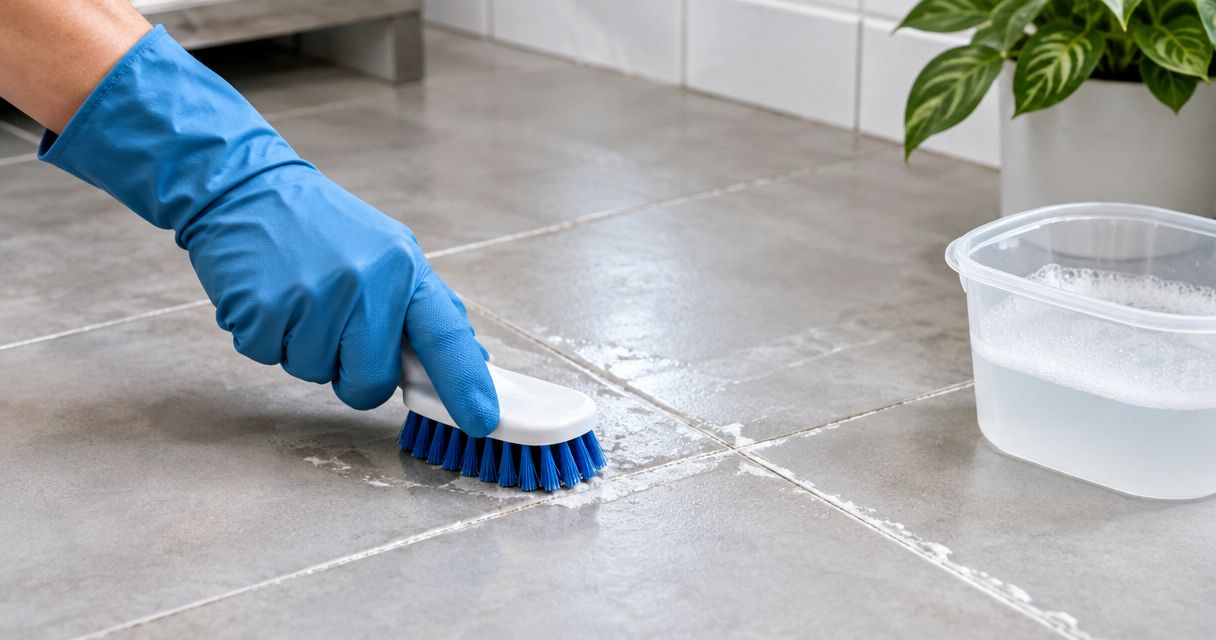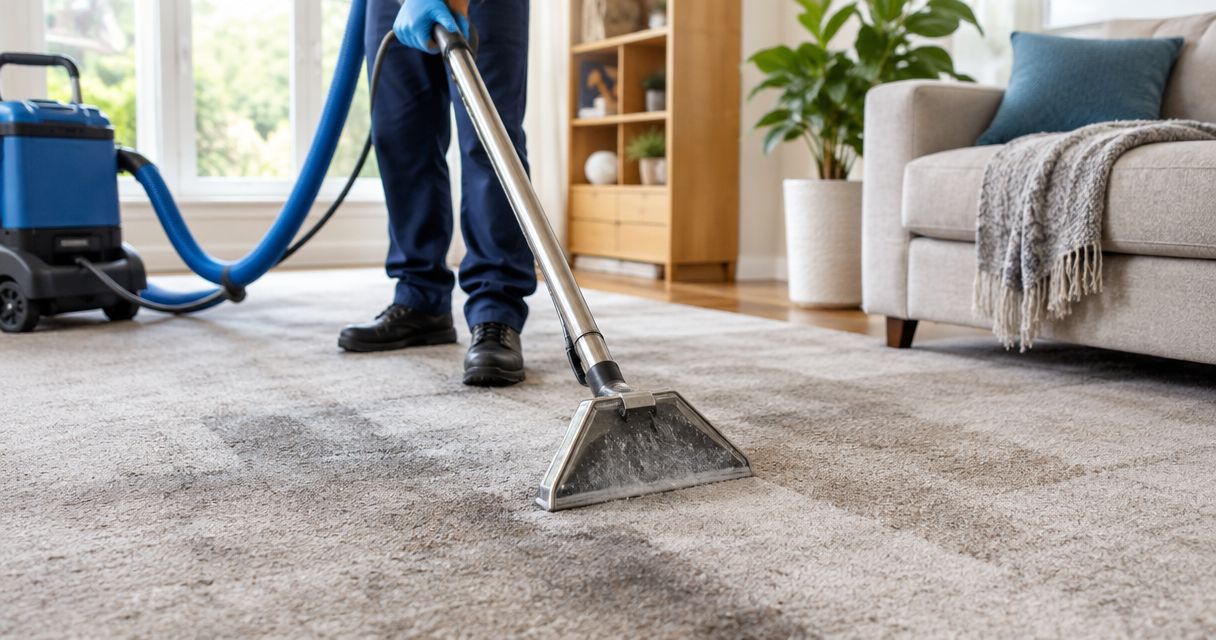
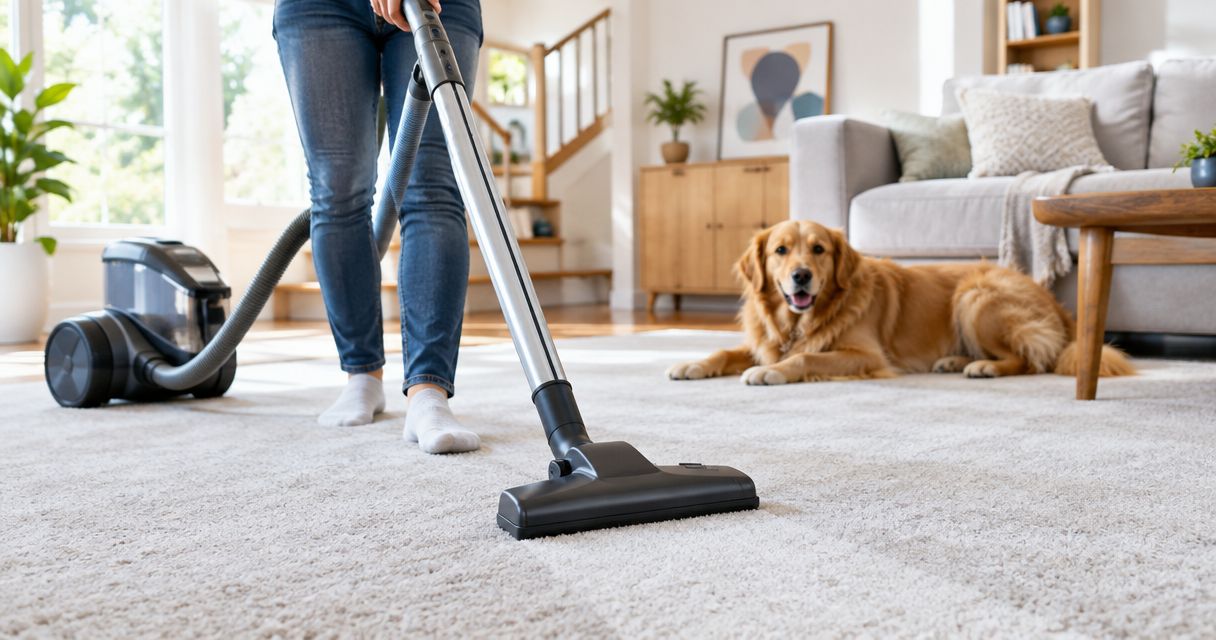
Best overall: a six-month professional-cleaning plan. Best for homes with pets and recurring messes: a quarterly condition-review plan. Best for lightly used secondary rooms: an annual review plan. The best carpet cleaning schedule for high traffic homes in 2026 combines frequent dry-soil removal, prompt spill care, and professional cleaning timed to the condition of each room.
- The best carpet cleaning schedule for high traffic homes starts with frequent vacuuming and a six-month professional-cleaning plan.
- Use quarterly condition reviews for pet-heavy rooms; a review does not automatically mean another cleaning.
- Reserve annual reviews for lightly used rooms, not busy hallways or family rooms.
- Michaels Carpet Care provides carpet cleaning for homeowners in McKinney, Frisco, Plano, and Allen.
Why this matters
A busy hallway and a rarely used bedroom do not need identical care. Foot traffic, tracked-in soil, spills, and pets create different cleaning needs, even when both rooms have the same carpet.
For your 2026 routine, separate maintenance from professional cleaning. Vacuuming removes loose soil; professional cleaning addresses soil that routine care leaves behind. Neither replaces the other.
Michaels Carpet Care is a local carpet-cleaning option for homeowners in McKinney, Frisco, Plano, and Allen. You can discuss your rooms and cleaning needs with Michaels Carpet Care rather than treating one calendar interval as the answer for every carpet.
What makes the best carpet cleaning schedule?
Use these criteria before choosing a schedule:
- Traffic concentration: Identify the routes people actually walk, including entrances, hallways, stairs, and the path beside the sofa.
- Soil sources: Separate ordinary tracked-in dirt from recurring spills, pet accidents, and food residue. These need different responses.
- Carpet requirements: Follow the carpet manufacturer's care instructions and any cleaning requirements attached to its warranty.
- Visible condition: Check for traffic-lane darkening, sticky areas, recurring marks, and changes that remain after vacuuming.
- Household access: Plan professional cleaning around room use and the cleaning provider's drying instructions.
- Maintenance consistency: Choose a routine you can repeat. An ambitious schedule that gets abandoned is not useful.
The ranking below favors a practical default, then makes room for heavier soil exposure and lower-use rooms. These are planning recommendations, not universal cleaning standards.
Carpet cleaning schedules at a glance
| Rank and schedule | Best for | Standout feature | Key limitation |
|---|---|---|---|
| 1. Six-month cleaning plan | Busy family rooms and main walking routes | A regular professional-cleaning checkpoint alongside frequent vacuuming | Some carpets need an earlier visit; others do not need cleaning at every checkpoint |
| 2. Quarterly condition-review plan | Homes with pets, repeated spills, or rapidly returning soil | Earlier assessment of problem areas | A review must not become automatic whole-house cleaning |
| 3. Annual secondary-room review | Lightly used bedrooms and guest rooms | Keeps attention proportional to actual use | Too infrequent as the only routine for busy traffic lanes |
Choose by room condition, not by how many people live at the address. A small household with pets and a heavily used entrance can need more attention than a larger household with effective entrance mats and separate hard-floor eating areas.
1. Six-month cleaning plan: best for busy everyday rooms
A six-month professional-cleaning plan is the default recommendation for your heavily used carpeted rooms. Pair it with frequent vacuuming and immediate spill care, then confirm the cleaning scope with the provider before the appointment.
For a 2026 calendar, choose two convenient checkpoints roughly six months apart. Inspect the carpet beforehand rather than assuming every room needs the same treatment.
Six-month plan routine
- Daily: Inspect entrances and main walking routes. Vacuum visibly tracked-in debris and address fresh spills promptly.
- Weekly: Vacuum all carpeted rooms, giving busy paths additional attention between whole-room sessions.
- Monthly: Check traffic lanes after vacuuming, and note persistent marks or odors.
- Every six months: Review the condition of busy rooms and arrange professional cleaning according to soil, care instructions, and previous results.
Michaels Carpet Care offers eco-friendly, fast-drying carpet cleaning. Discuss the condition of your carpet and the rooms you need to use afterward when planning the appointment.
Six-month plan pros:
- Gives busy rooms a repeatable professional-care checkpoint.
- Keeps everyday maintenance separate from deeper cleaning.
- Makes seasonal household planning straightforward.
- Lets you adjust the room list before each appointment.
Six-month plan cons:
- Does not address spills or pet accidents between appointments.
- Can be too rigid if you book identical work regardless of carpet condition.
Best for: Family rooms, hallways, stairs, and carpeted entrances used throughout the week.
Verdict: Buy into this routine as your default, then adjust the professional-cleaning interval to the carpet. Do not wait for the next checkpoint when a specific problem needs attention.
2. Quarterly condition-review plan: best for recurring messes
A quarterly condition-review plan gives you more frequent opportunities to identify recurring problems. It is the better schedule when pets, repeated spills, or tracked-in dirt make a six-month checkpoint too far apart for useful oversight.
The distinction matters: review every three months does not mean clean the entire house every three months. Targeted treatment, a change in maintenance, or a professional assessment can be the appropriate next step.
Quarterly plan routine
- Daily: Check pet resting areas, feeding routes, entrances, and any location with a recent accident.
- Weekly: Vacuum the whole carpeted area and inspect recurring problem spots after the loose soil is removed.
- Monthly: Record whether the same mark or odor returns. Tell the cleaner what happened and what products you used.
- Every three months: Review heavily affected rooms and decide whether they need professional attention before the next regular cleaning.
For your 2026 plan, use quarterly reminders as decision points. Keep the response tied to what you find, not just to the notification on your phone.
Quarterly plan pros:
- Gives recurring problems an earlier review.
- Helps distinguish isolated spills from a repeated pattern.
- Supports room-by-room decisions instead of automatic whole-house treatment.
- Keeps pet-related concerns on the maintenance calendar.
Quarterly plan cons:
- Requires consistent observation between reviews.
- Does not guarantee that surface cleaning will resolve contamination below the carpet.
- Creates unnecessary work if every reminder triggers cleaning without assessment.
Best for: Homes with recurring pet accidents, frequent food spills, or traffic lanes that become visibly soiled soon after cleaning.
Verdict: Buy into quarterly reviews; hold off on automatic quarterly whole-house cleaning. Persistent odor deserves a cause-based assessment, not repeated fragrance or another application of an unknown cleaner.
3. Annual secondary-room review: best for lightly used rooms
An annual review fits carpeted rooms that receive little traffic and stay clean under routine maintenance. Use it for secondary spaces within a high-traffic home, not as the only schedule for the whole property.
Inspect these rooms during your regular vacuuming routine. A guest room that becomes a home office no longer belongs in the same low-use category.
Annual plan routine
- Weekly: Vacuum as part of the whole-house routine, adjusting attention to actual use and visible debris.
- After use: Inspect guest rooms for spills and tracked-in soil before closing them up again.
- Monthly: Check beneath accessible furniture edges and around doorways where soil can be overlooked.
- Every twelve months: Review the room's condition, manufacturer instructions, and whether professional cleaning is due.
Do not use a clean-looking center of the room as the only test. Doorways and the route around the bed can receive more traffic than the open floor suggests.
Annual plan pros:
- Keeps lightly used rooms on the calendar.
- Avoids treating every room as equally busy.
- Makes it easier to prioritize attention on the home's main traffic routes.
Annual plan cons:
- Is unsuitable for neglected spills or recurring pet problems.
- Becomes outdated when the room's use changes.
- Cannot override a manufacturer's required cleaning interval.
Best for: Guest bedrooms and other secondary carpeted rooms with genuinely limited use.
Verdict: Hold this option for low-use rooms; skip it as your whole-house high-traffic schedule. Move the room to a more active routine when its condition or use changes.
Turn the schedule into a room-by-room routine
Build your 2026 calendar around the carpet you have, not an idealized household routine. Start with a simple room list and assign each space to the schedule that matches its use.
Map traffic
Name each room and its busiest walking route. Include stairs and landings; they are easy to leave out when you think only in terms of rooms.
Set reminders
Add recurring vacuuming reminders and the appropriate professional-care checkpoints. Keep spill response separate because a fresh spill cannot wait for a scheduled review.
Record problems
Write down persistent marks, recurring odors, and any cleaning products already applied. A brief note gives the cleaning provider useful context without requiring you to diagnose the problem.
Review condition
Inspect the carpet after routine vacuuming. Decide whether the room needs ordinary maintenance, professional cleaning, or an assessment of a specific concern.
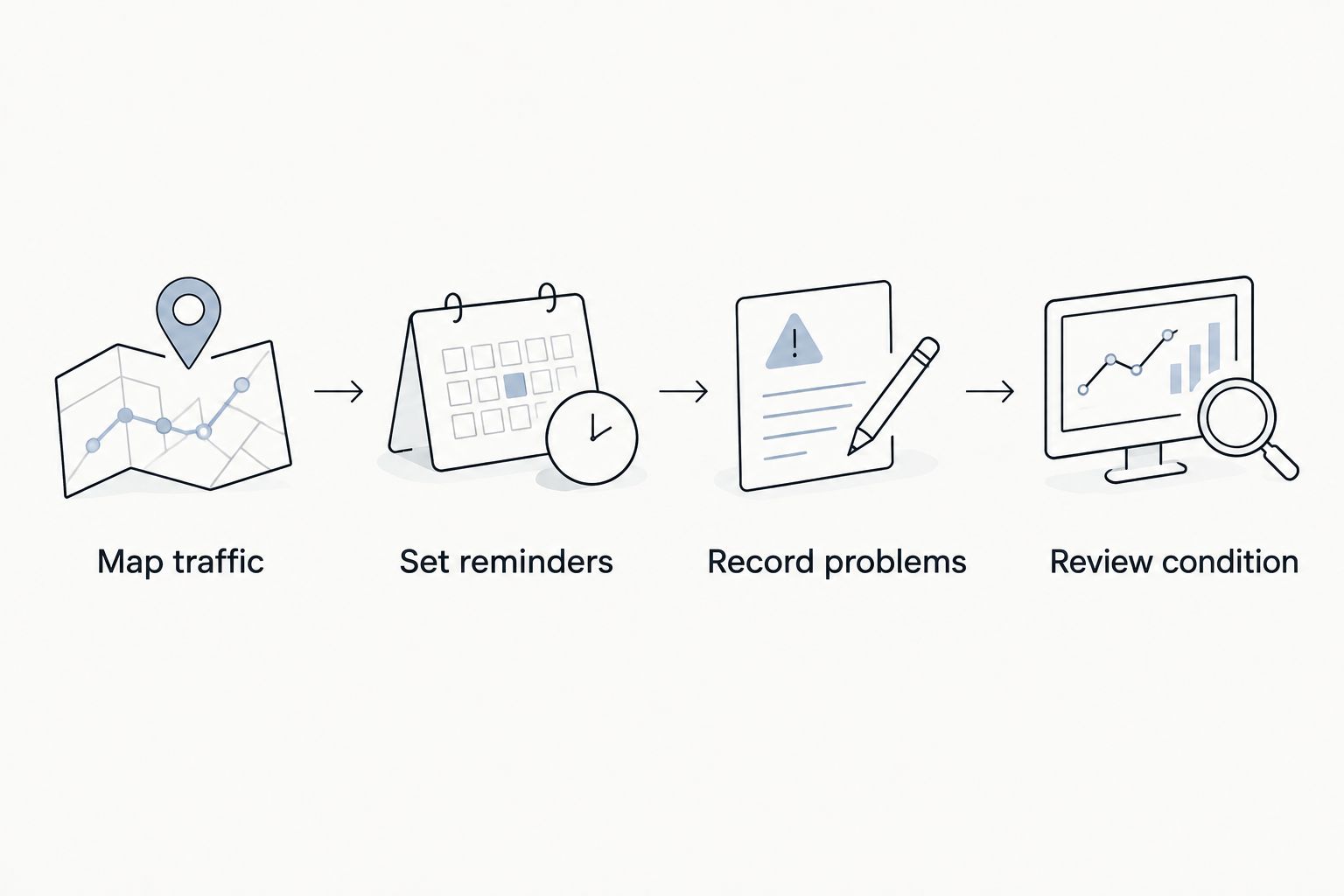
Keep the room list somewhere accessible. A short record of what changed is more useful than trying to remember which stain appeared before the last appointment.
What to do between professional cleanings
Vacuuming is the foundation of the schedule, not preparation reserved for appointment day. Follow your carpet and vacuum manufacturer's instructions, including any restrictions on brush settings or carpet construction.
Empty or replace the vacuum's collection container as directed, and maintain its filters. Give busy walking routes deliberate attention rather than rushing across the whole room once.
For fresh liquid spills, blot with a clean, absorbent cloth rather than scrubbing. Follow the carpet manufacturer's cleaning guidance, test permitted products in an inconspicuous area, and avoid mixing cleaning chemicals.
Do not repeatedly soak a stubborn mark. If the spot returns or an odor persists, stop experimenting and explain the history to the cleaning provider. The source can require attention beyond the visible surface.
Entrance mats and a household shoe-removal routine also help limit tracked-in debris. Keep the mats clean; a dirty mat is not a substitute for carpet maintenance.
Plan cleaning around room access
Choose a cleaning appointment when you can follow the provider's instructions about drying and access. Ask which rooms will be treated, what furniture needs moving, and when normal use can resume.
Michaels Carpet Care provides fast-drying carpet cleaning, but your schedule still needs to account for the actual work being performed. Confirm the instructions for your appointment rather than applying a general drying estimate to every carpet.
For a closer comparison of methods, read carpet cleaning methods ranked by drying time. Drying time is one decision factor; carpet suitability and the cleaning problem also matter.
Plan your carpet cleaning
Discuss busy rooms, recurring spots, and room access before choosing your cleaning schedule.
How the schedules rank
The six-month plan ranks first because it gives busy rooms a practical recurring checkpoint without replacing daily care. The quarterly plan adds oversight for recurring messes, while the annual plan belongs only to lightly used secondary rooms.
The criteria remain the same across all three: traffic, soil sources, carpet instructions, visible condition, household access, and maintenance consistency. A useful schedule changes when those conditions change.
Which carpet cleaning schedule should you choose?
Choose the six-month professional-cleaning plan for the main carpeted areas of a high-traffic home. Add quarterly condition reviews wherever pets or repeated messes justify closer attention, and keep annual reviews for genuinely low-use rooms.
Your 2026 calendar should contain reminders, not permission to ignore problems between them. A spill needs prompt care; a persistent mark needs assessment; a busy room needs consistent vacuuming.
FAQ
What's the best carpet cleaning schedule for high traffic homes?
Use a six-month professional-cleaning plan as a starting point, alongside frequent vacuuming and prompt spill care. Adjust the interval to carpet condition, manufacturer instructions, and recurring household messes.
Should I vacuum high-traffic carpet every day?
Inspect high-traffic routes daily and vacuum when tracked-in debris or household use calls for it. Keep a regular whole-room vacuuming routine and follow the carpet manufacturer's instructions.
Do homes with pets need professional cleaning every three months?
Pet ownership alone does not require automatic professional cleaning every three months. Quarterly condition reviews help identify recurring accidents, odors, or soil that need earlier attention.
Is cleaning carpet once a year enough for a busy home?
An annual review is not the recommended default for the busiest rooms in this guide. Reserve it for lightly used secondary rooms and follow any manufacturer-required cleaning intervals.
Should I wait for my scheduled cleaning after a spill?
No, address a fresh spill promptly using the carpet manufacturer's care guidance. Blot rather than scrub, and seek professional advice when a mark or odor persists.
Can I clean every carpeted room on a different schedule?
Yes, a room-by-room schedule matches cleaning attention to actual use. Keep busy hallways and family rooms on a more active routine than lightly used guest rooms.
Who provides carpet cleaning in McKinney, Frisco, Plano, and Allen?
Michaels Carpet Care provides carpet cleaning for homeowners and businesses in McKinney, Frisco, Plano, and Allen. Discuss carpet condition and room access when planning service.
One last thing
Put a reminder on the busiest walking route, not just on the professional-cleaning date. Check that route after vacuuming and compare it with a less-used area of the same carpet. A persistent difference is a useful reason to request an assessment, not proof that you need a stronger cleaning product.