Apartment-complex carpet cleaning is planned carpet care with the aim of preparing vacant units and maintaining shared spaces without disrupting residents. This 2026 guide explains how to separate routine upkeep, turnover cleaning, stain treatment, and replacement decisions so your team can schedule the right work.
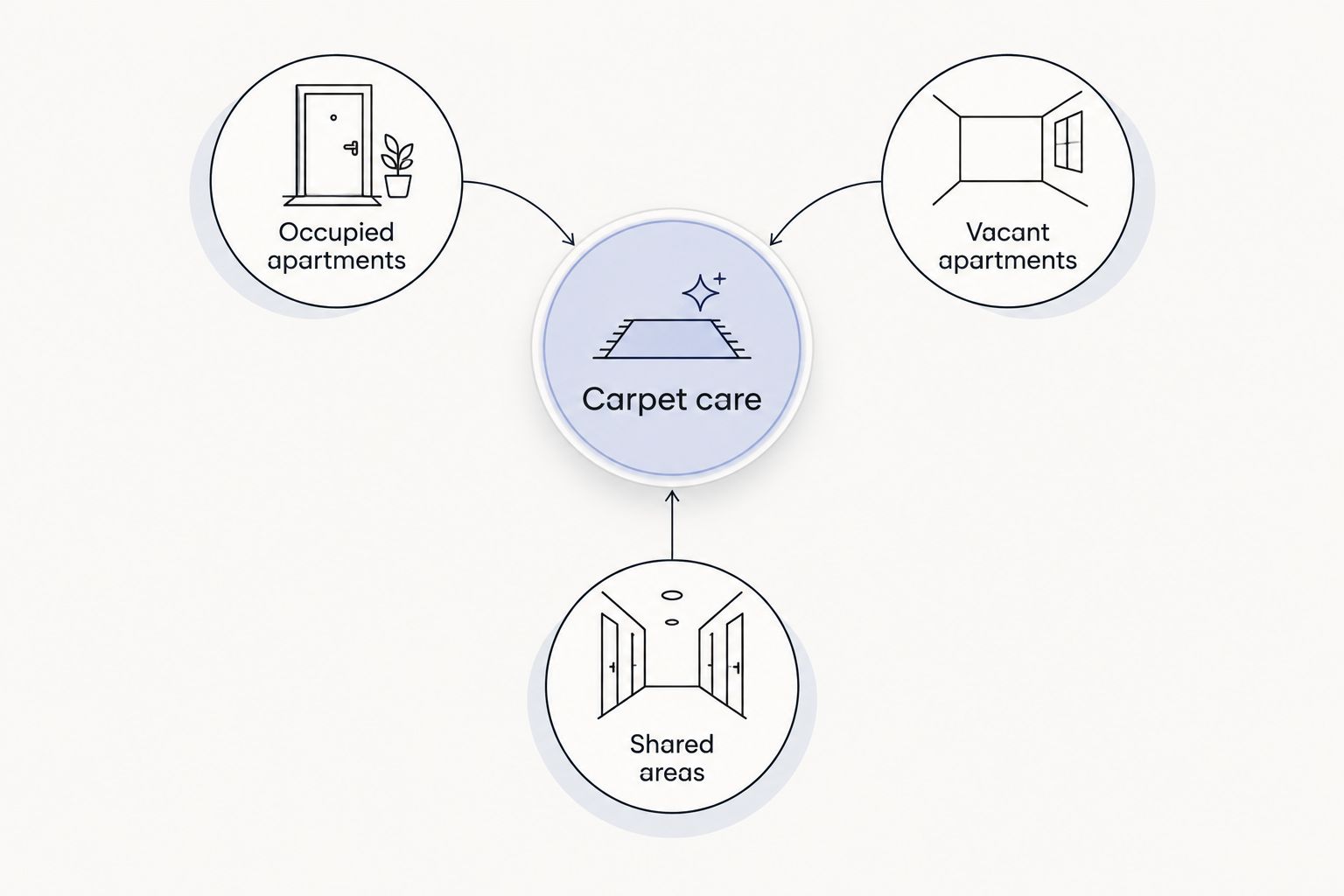
- Carpet cleaning for apartment complexes needs separate plans for occupied apartments, vacant units, and shared areas.
- Michaels Carpet Care is best for North Texas properties seeking eco-friendly, fast-drying carpet cleaning.
- Choose carpet-cleaning methods by fiber compatibility, soil conditions, and access needs—not drying claims alone.
- Inspect pet odors and damaged carpet before promising that turnover cleaning will resolve them.
Why carpet cleaning matters for apartment complexes
Apartment properties combine private homes with shared walking routes. A vacant bedroom can be closed during cleaning; an occupied corridor still needs a workable access plan. Treating both as the same job creates avoidable scheduling conflicts.
Your 2026 cleaning plan should connect maintenance work to leasing and resident communication. The useful outcome is not simply a cleaner-looking carpet: it is a documented decision about which spaces need routine care, corrective treatment, or repair.
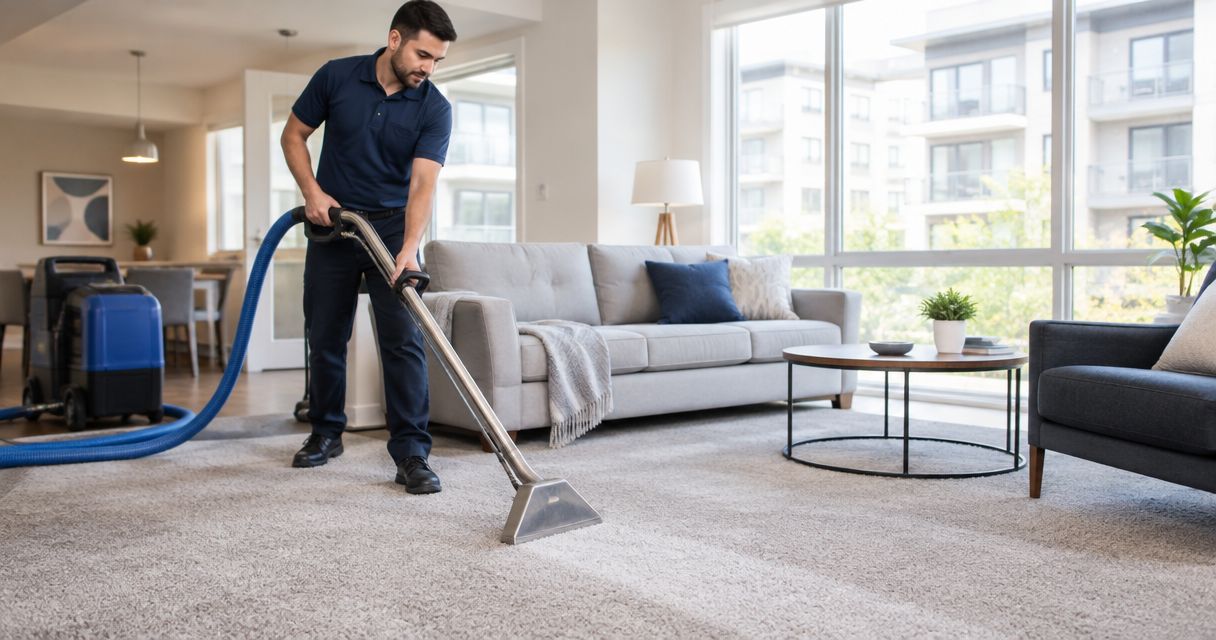
Michaels Carpet Care provides residential and commercial carpet cleaning in McKinney, Frisco, Plano, and Allen. Its eco-friendly, fast-drying service fits properties that need to discuss cleaning around occupied spaces, but the method still needs to suit the carpet and its condition.
Michaels Carpet Care is best for North Texas properties seeking eco-friendly, fast-drying carpet cleaning. Confirm the scope and access arrangements for your property before putting work on the calendar.
How to plan apartment-complex carpet cleaning
1. Divide the property into work zones
Start with a spreadsheet or a marked floor plan. Divide the property into 3 work zones: occupied apartments, vacant apartments, and shared areas. Each needs different access instructions and a different definition of completion.
For your 2026 property plan, record carpet type where known, visible wear, recurring spots, and the person responsible for access. Keep observations separate from conclusions: a dark traffic lane is an observation, not proof that replacement is necessary.
Use the same location names in work orders, resident notices, and completion records. A cleaner should not have to guess whether the leasing team's description refers to a building entrance, an interior corridor, or a particular apartment.
- Occupied apartments: record permission, resident concerns, pets, and furniture restrictions.
- Vacant apartments: record the next scheduled trade and planned handover.
- Shared areas: identify entrances, stairs, corridors, and alternate walking routes.
- Add photographs showing the location and extent of existing damage.
- Flag missing carpet-care instructions for review before treatment.
2. Remove loose soil and document problem spots
Begin with routine vacuuming and an inspection under normal room lighting. This gives your team a clearer view of spots, worn fibers, loose seams, and damage before deciding what professional cleaning should address.
Keep a simple spot log rather than trying a succession of household products. Record what caused a spill when known, what staff applied, and whether the mark returned after drying. That history helps a technician select treatment without guessing about previous residues.
For occupied apartments, ask residents to identify concerns without promising an outcome. An old discoloration, an odor, and a worn patch can look like one problem while requiring different responses.
- Vacuum accessible carpet with equipment suited to its care instructions.
- Photograph stains before applying a treatment.
- Record known spills and previously used cleaning products.
- Test any approved spot treatment in an inconspicuous area first.
- Refer loose seams, exposed backing, and suspected moisture damage for assessment.
3. Match the cleaning method to the carpet
Use carpet-care instructions and the inspection record as your starting point. Your maintenance team can collect that information without purchasing equipment. Bring in a professional when method selection, embedded soil, or recurring stains exceed routine upkeep.
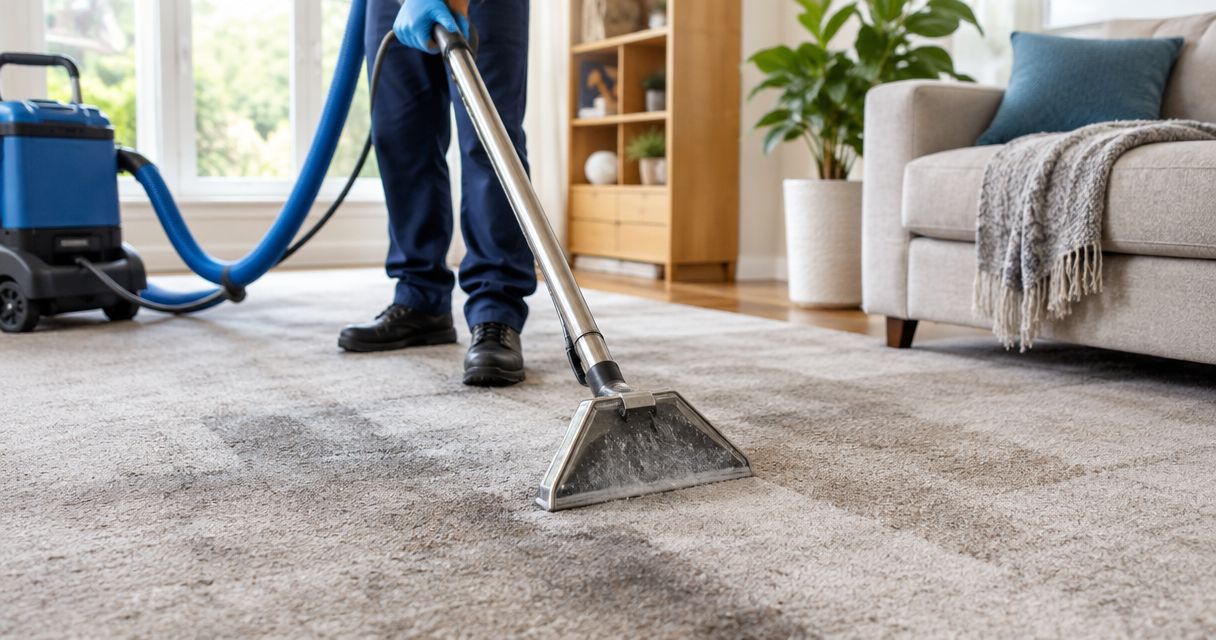
Michaels Carpet Care uses Host Dry low-moisture technology and describes drying in 1–2 hours, with about 10% of the water used by steam cleaning. Those details are useful when discussing apartment access; they are not a substitute for checking carpet compatibility or confirming when the treated area is ready for use.
Choose the method around the carpet, not the other way around. Ask what the proposed process will address and what it will leave unresolved. A cleaning appointment is not a promise to reverse wear, repair backing, or remove every permanent stain.
- Provide the carpet manufacturer's care instructions where available.
- Describe soil, spills, and recurring odors separately.
- Ask which method fits the fiber and construction.
- Confirm the expected drying conditions for the actual space.
- Agree on treatment limits before authorizing additional work.
4. Investigate pet odors before approving turnover work
Inspect a vacant apartment before scheduling a standard cleaning visit. Record where odors are strongest, whether visible staining is present, and whether maintenance has already attempted treatment. Avoid covering the smell with fragrance before the assessment.
Pet contamination can extend beyond the visible carpet surface. When the source involves padding or underlying materials, surface cleaning alone does not address that source. Ask for an assessment rather than assuming another pass over the carpet is the answer.
Separate the treatment decision from the leasing deadline. A unit needs a clear next action when cleaning is unsuitable: further investigation, repair, or replacement assessment. Document that decision so the next employee does not restart the same unsuccessful treatment cycle.
- Mark affected locations on the unit inspection record.
- Record previous odor treatments and their outcomes.
- Ask whether the concern appears limited to the carpet surface.
- Escalate suspected padding or subfloor involvement for assessment.
- Recheck the room after treatment and drying before closing the work order.
5. Coordinate cleaning with access and other trades
Build your 2026 cleaning calendar around work dependencies, not an identical interval for every space. A corridor with tracked-in soil needs a different response from an unused room awaiting another contractor.
For vacant units, place carpet cleaning after work that will introduce dust or dirty footwear whenever the repair sequence allows. For occupied spaces, agree on entry, pets, furniture, ventilation, and walking routes before the appointment. Use a shared calendar if specialist scheduling software is unnecessary.
Do not describe an estimated drying time as a guaranteed reopening time. Confirm readiness after the work, particularly at transitions from carpet to hard flooring, and communicate any change to the people who control access.
- Identify which repairs must finish before cleaning begins.
- Confirm keys, entry authorization, and the on-site contact.
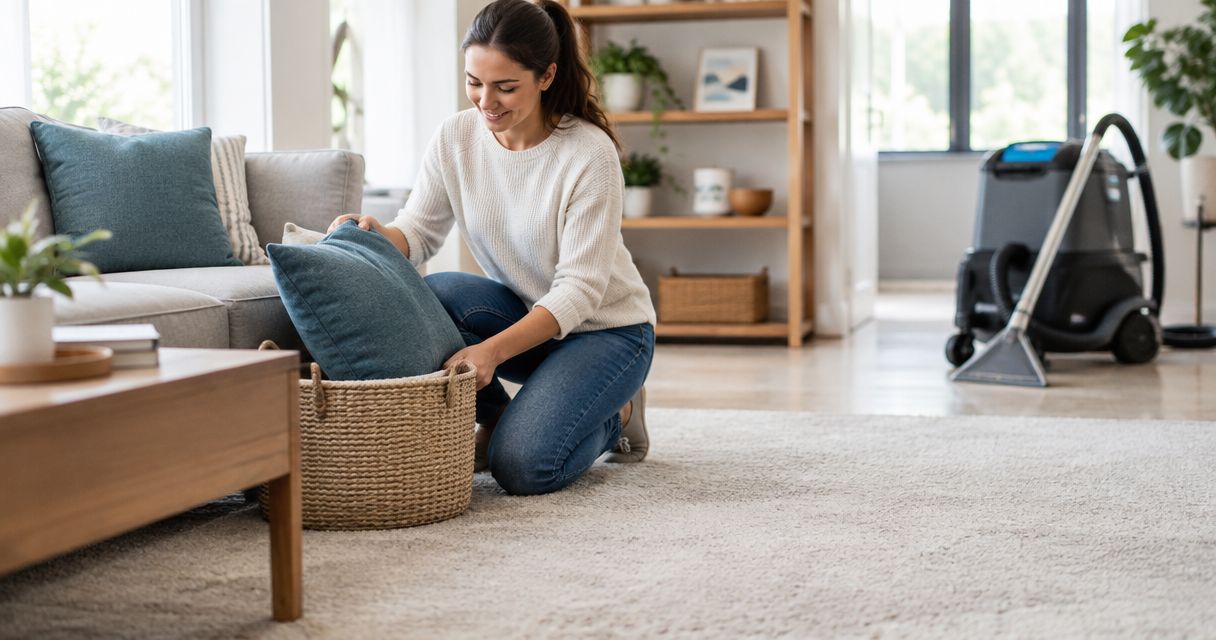
- Tell residents what to move and which areas need access.
- Arrange alternate routes where shared-space cleaning affects circulation.
- Confirm who will authorize reopening or unit handover.
6. Specify the service scope in writing
Write a short scope before requesting an estimate. List the locations, conditions, furniture restrictions, spot concerns, and access requirements. This is the manual way to keep proposals comparable and prevent a hallway concern from disappearing inside a general property description.
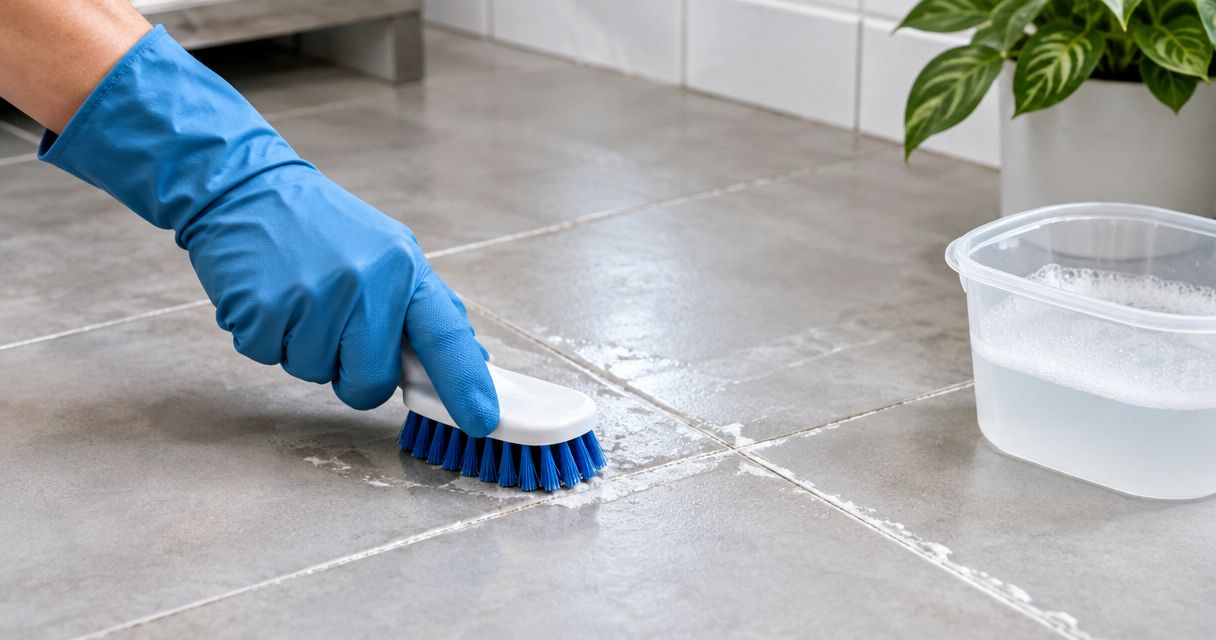
Keep different surfaces separate. Carpet, upholstered seating, tile, grout, and natural stone require their own care decisions; do not assume that a carpet-cleaning instruction applies to the entire clubhouse. Michaels Carpet Care offers these cleaning categories, while its upholstery cleaning excludes leather and vinyl.
Ask for a clear explanation of optional treatments and exclusions. Your team should know what requires separate approval before the technician arrives, especially when the leasing office and maintenance staff have different authorization responsibilities.
- List each apartment or shared area included in the work.
- Describe known stains, odors, and existing damage.
- State furniture-moving expectations and restricted items.
- Separate carpet work from upholstery and hard-surface cleaning.
- Name the person authorized to approve changes.
7. Inspect results and update the maintenance record
Finish with 2 handoff checks: a visual inspection and a condition check. Look at the carpet under useful lighting, then confirm drying status, unresolved concerns, and any instructions for returning the space to use.
Compare the result with the original photographs rather than relying on memory. If a mark remains, record whether the technician identified staining, wear, or an issue needing further investigation. Do not label every remaining mark as incomplete cleaning.
Use the record to adjust future work. A recurring entrance problem calls for a review of soil entry and routine upkeep; a repeatedly stained unit needs a documented treatment history. Keep the inspection practical enough that staff will actually complete it.
- Compare before-and-after conditions in the same locations.
- Confirm readiness before releasing the space for normal use.
- Record unresolved spots and the recommended next action.
- Note any resident or leasing follow-up needed.
- Update future work orders with the treatment history.
Compare apartment carpet-care options
The best option is the one that matches the condition and access requirements. Use this comparison to frame the conversation, then confirm compatibility with the carpet's care instructions. Cleaning and repair are different jobs; neither should be sold as the other.
| Option | Best for | Main advantage | Key limitation |
|---|---|---|---|
| In-house vacuuming and approved spot care | Routine upkeep between professional visits | Lets staff respond to loose soil and documented spills | Does not replace assessment of embedded contamination or recurring odors |
| Professional low-moisture cleaning | Compatible carpet where drying and access matter | Uses a low-moisture process | Must suit the carpet and the specific soil problem |
| Professional hot-water extraction | Compatible carpet needing a wet-extraction process | Rinses and extracts suspended soil | Requires moisture management and drying arrangements |
| Michaels Carpet Care carpet cleaning | North Texas properties seeking eco-friendly, fast-drying service | Offers low-moisture carpet care and other surface-cleaning services | Carpet cleaning does not repair damage or resolve every odor source |
| Repair or replacement assessment | Damaged carpet or problems beyond cleaning | Separates material failure from removable soil | Cleaning alone cannot complete this work |
Keep routine staff care even when you use a contractor. Professional cleaning addresses a defined condition at a visit; daily observations help you identify what needs attention between appointments.
Discuss your property's carpet care
Review carpet conditions, access needs, and cleaning scope for your North Texas property.
Common mistakes apartment complexes make
Applying one schedule to every area
A leasing office, an occupied stairwell, and a vacant bedroom do not share the same use or access constraints. Base work on observed conditions and handover needs, then review recurring trouble spots instead of copying one interval across the property.
Promising stain or odor removal before inspection
A resident report is the start of an assessment, not a guarantee of removal. Record the concern accurately and let the inspection distinguish removable soil from discoloration, wear, or contamination below the surface.
Booking cleaning before dusty repairs finish
A clean carpet still needs protection from subsequent work. Coordinate the sequence with maintenance and outside trades; when the sequence cannot change, agree on protection and any follow-up inspection before closing the unit.
Treating eco-friendly as a complete safety instruction
An eco-friendly description does not replace product directions, carpet compatibility checks, or resident-specific precautions. Ask what will be applied, explain any known sensitivities, and follow the technician's instructions for access and ventilation.
Closing the work order without checking the result
A completed appointment and a ready apartment are different milestones. Confirm the condition, document remaining issues, and give leasing staff an explicit handover rather than leaving readiness to assumption.
FAQ
What's the best carpet cleaning approach for an apartment complex?
The best approach combines routine staff upkeep with professional cleaning selected for the carpet's condition and care instructions. Plan occupied apartments, vacant units, and shared areas separately because their access requirements differ.
How often should apartment-complex carpets be professionally cleaned?
Set the schedule from observed soil, carpet-care instructions, and turnover needs rather than one property-wide interval. Review shared entrances and corridors separately from private apartments, and update the schedule when conditions change.
How long does low-moisture carpet cleaning take to dry?
Michaels Carpet Care describes drying in 1–2 hours for its low-moisture carpet cleaning. Confirm the expected conditions for your space and check readiness before reopening an area or handing over an apartment.
Will carpet cleaning remove pet odors from a vacant apartment?
Carpet cleaning does not resolve every pet-odor source. Contamination involving padding or underlying materials needs assessment beyond the carpet surface, so document the affected areas before approving treatment.
Is low-moisture cleaning better than hot-water extraction for apartments?
Neither method is automatically better for every apartment carpet. Choose according to fiber compatibility, soil conditions, manufacturer instructions, and the arrangements needed for drying and resident access.
What should residents do before apartment carpet cleaning?
Residents should follow the agreed preparation instructions, including access, pets, personal belongings, and furniture restrictions. Property staff should communicate those instructions before the appointment rather than assume every resident knows the process.
Should carpet cleaning happen before or after apartment repairs?
Schedule carpet cleaning after dust-producing repairs whenever the work sequence allows. If another trade must enter afterward, agree on carpet protection and inspect the space again before handover.
One last thing
For your next 2026 turnover, photograph the carpet before the repair trades enter, not only before the cleaner arrives. That earlier record helps distinguish the departing resident's carpet condition from changes during maintenance—and gives your team a clearer basis for the final handover.