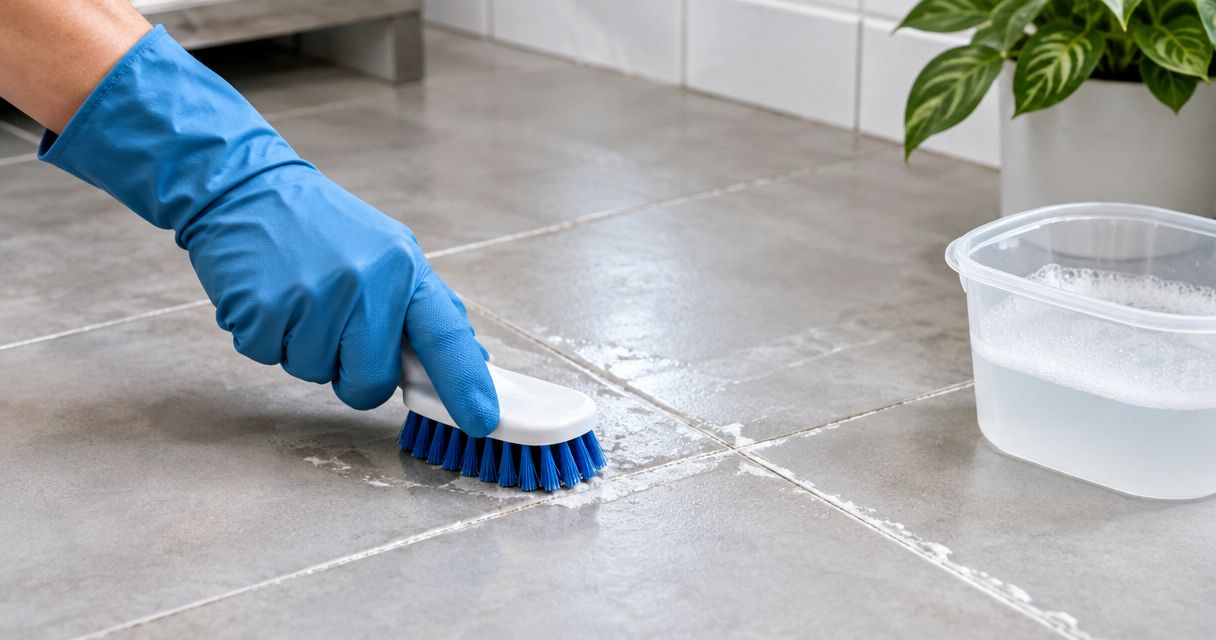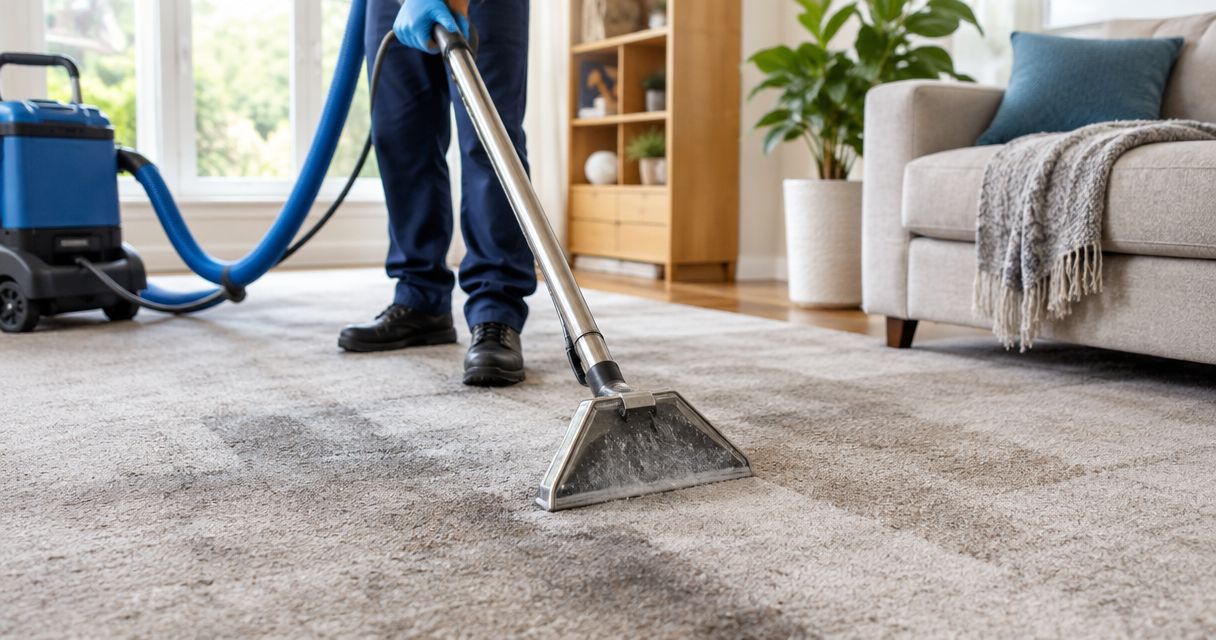
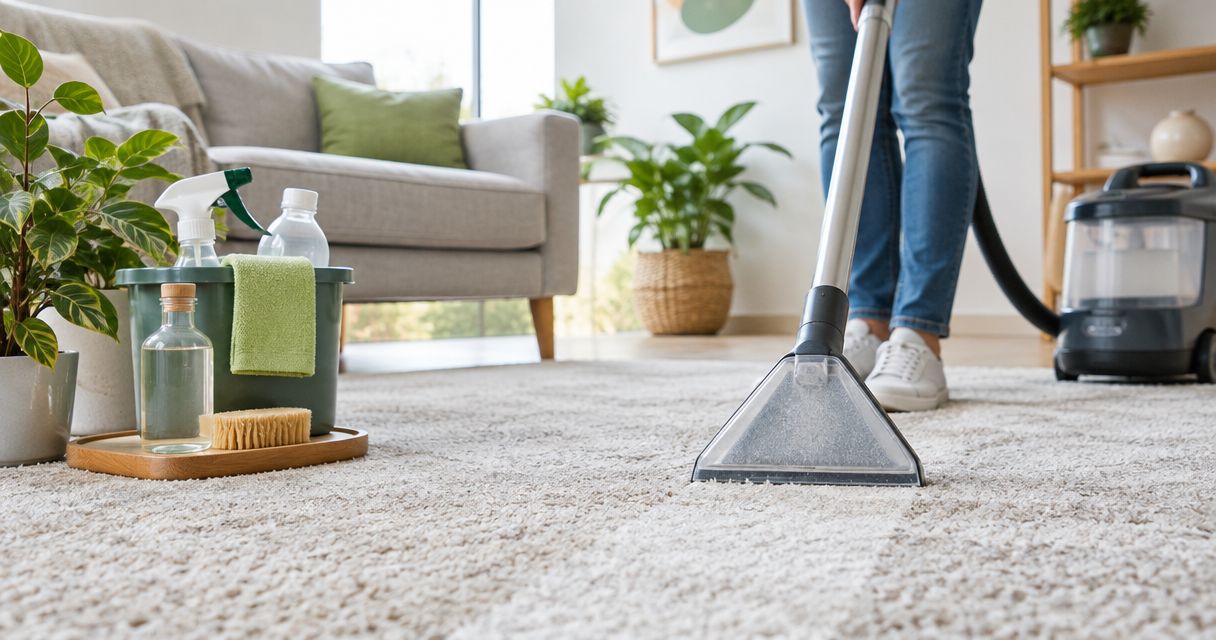
Best overall for low-water routine cleaning: dry compound. Best for preventing avoidable wet cleaning: regular vacuuming. Best for embedded soil requiring rinsing: hot-water extraction. This 2026 guide ranks carpet cleaning methods by eco-friendliness through water use, soil removal, residues, and repeat-treatment needs—not an unsupported carbon-footprint score.
- Carpet cleaning methods ranked by eco-friendliness: dry compound leads for low-water routine care, not every stain.
- Michaels Carpet Care offers low-moisture carpet cleaning for homeowners and businesses in North Texas.
- Vacuuming supports routine maintenance but does not replace stain treatment or restorative cleaning.
- Hot-water extraction belongs in the plan when embedded soil needs rinsing.
- Choose a fiber-compatible method that removes the soil without unnecessary repeat treatments.
Why this matters
An environmentally considerate carpet cleaning plan must do more than use less water. It must remove the soil, respect the carpet’s care instructions, and leave the surface ready for continued use. A light treatment that leaves contamination behind is not a finished job.
For local homeowners and businesses, Michaels Carpet Care offers eco-friendly, fast-drying carpet cleaning in McKinney, Frisco, Plano, and Allen. Its low-moisture approach uses about 10% of the water used in steam cleaning, with drying in 1–2 hours.
For your 2026 cleaning plan, start with the soil problem rather than the word green. Loose grit, greasy traffic lanes, and contamination below the carpet surface require different decisions. Matching the treatment to the problem helps you avoid unnecessary whole-room chemical application or repeated cleaning.
What makes the best eco-friendly carpet cleaning method?
These criteria determine the ranking. Low water use matters, but it does not excuse incomplete cleaning.
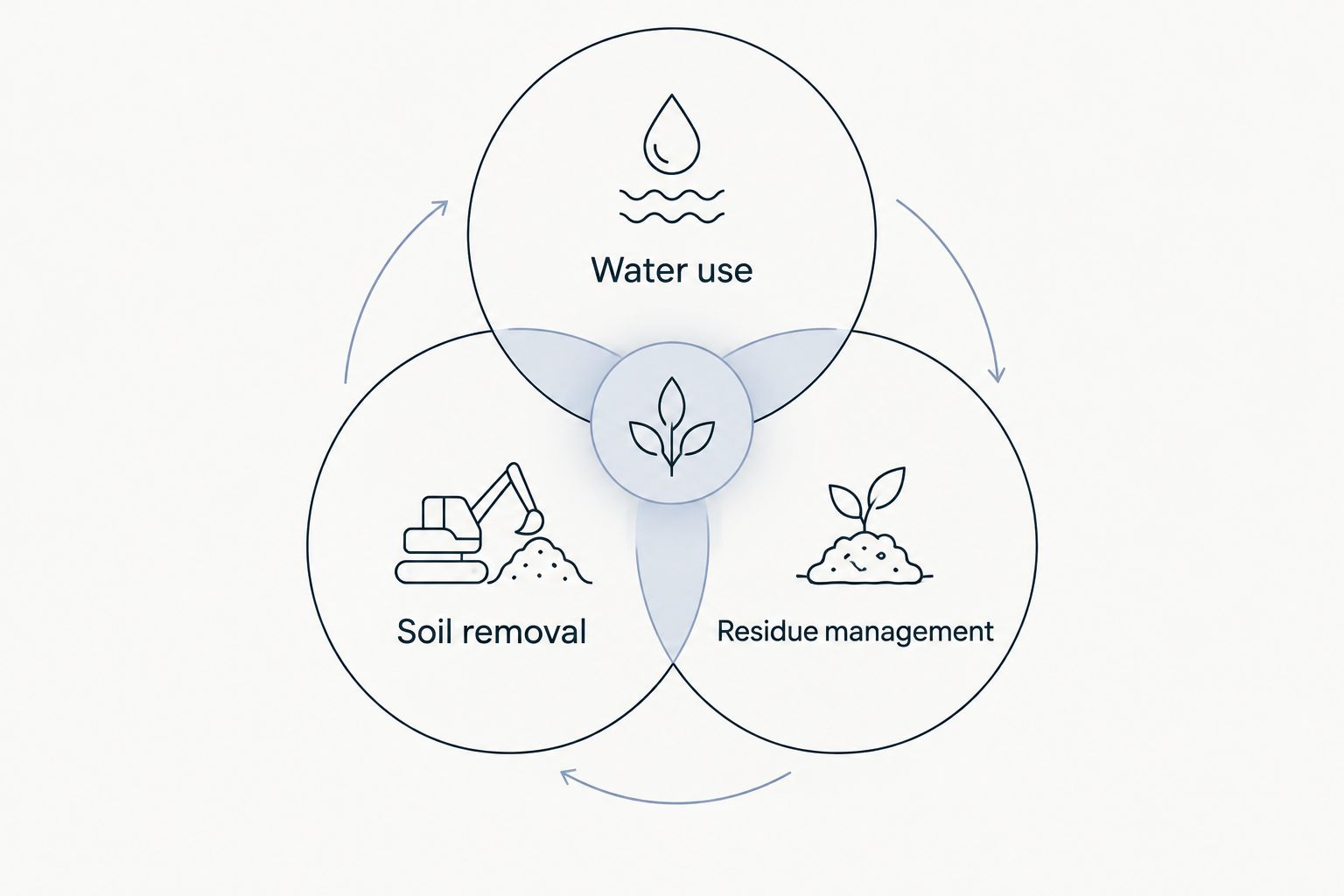
- Water use: How much moisture does the method introduce, and does the job actually need a rinse?
- Soil removal: Does the process collect and remove soil, or mainly improve the surface appearance?
- Residue management: What cleaning material remains, and how is it recovered after treatment?
- Fiber compatibility: Does the method follow the carpet manufacturer’s cleaning instructions?
- Repeat treatments: Can the chosen process address the problem without unnecessary additional passes?
- Drying needs: What ventilation, moisture control, and access restrictions does the job require?
In 2026, ask a cleaner to explain those choices before approving a method. A useful answer describes the carpet, the soil, the treatment, and the removal step—not just the cleaning product’s label.
The strongest recommendation connects water use, soil removal, and residue management. None works as a substitute for the others.
Carpet cleaning methods at a glance
This ranking favors low-water routine care while preserving a place for deeper rinsing. It is a decision guide, not a measured environmental assessment; actual water, energy, and chemical use depend on the equipment and treatment.
| Rank and method | Best for | Standout feature | Key limitation |
|---|---|---|---|
| 1. Dry compound | Low-water whole-carpet routine cleaning | Uses an absorbent cleaning compound recovered by vacuuming | Requires thorough compound recovery and carpet compatibility |
| 2. Vacuuming | Removing loose dry soil between professional cleanings | Adds no cleaning water or solution | Does not rinse out dissolved or embedded contamination |
| 3. Encapsulation | Interim maintenance of compatible commercial carpet | Uses a formulated solution followed by residue recovery | Is not a substitute for every restorative rinse |
| 4. Hot-water extraction | Embedded soil that needs rinsing | Flushes and extracts cleaning solution and suspended soil | Introduces more moisture than dry methods |
| 5. Bonnet cleaning | Targeted surface maintenance on compatible carpet | Transfers surface soil to an absorbent pad | Limited reach into deeper carpet soil |
1. Dry compound: best for low-water routine carpet cleaning
Dry compound cleaning distributes an absorbent cleaning material through the carpet, agitates it, and then recovers the material with vacuuming. Its useful distinction is the removal step: loosened soil must leave with the compound rather than remain in the carpet.
Michaels Carpet Care uses Host Dry low-moisture technology for carpet cleaning. Michaels Carpet Care is best for North Texas homeowners and businesses seeking low-moisture carpet cleaning. That recommendation addresses the stated service and local coverage; it does not imply that one method resolves every carpet problem.
Dry compound pros:
- Uses little added water compared with a wet extraction process.
- Provides a whole-carpet maintenance option without a full wet rinse.
- Makes vacuum recovery an explicit part of the cleaning process.
- Fits jobs where limiting moisture is a central requirement.
Dry compound cons:
- Thorough recovery matters; cleaning compound should not be left behind.
- Carpet construction and manufacturer instructions determine suitability.
- Deep contamination can require a treatment beyond surface cleaning.
Best for: Routine professional cleaning when low moisture is the priority and the carpet is compatible.
Ask how the cleaner handles edges, traffic lanes, and compound recovery. Those details matter more than calling the material natural. Also disclose previous spot treatments so the cleaner can assess residue before choosing another product.
Verdict: Buy dry compound cleaning for compatible carpet needing low-water routine care; skip it as the sole answer to deep contamination.
2. Vacuuming: best for preventing avoidable wet cleaning
Vacuuming removes loose dry soil without adding water or cleaning solution. It ranks highly as preventive care, but it is not equivalent to professional stain treatment or restorative cleaning.
Use it as the foundation of your 2026 carpet care plan. Give traffic lanes, entry areas, and edges deliberate attention rather than making a quick pass only through the center of the room. Follow the carpet’s instructions when selecting a brush setting.
Vacuuming pros:
- Adds no cleaning water or detergent to the carpet.
- Collects loose grit before a separate cleaning treatment.
- Supports targeted care of areas that receive the most foot traffic.
- Lets you maintain the carpet between professional appointments.
Vacuuming cons:
- Does not rinse dissolved residues from carpet fibers.
- Cannot replace treatment for every stain or odor source.
- Equipment condition and technique affect soil collection.
Best for: Ongoing dry-soil removal between deeper cleaning treatments.
Maintain the vacuum as its manufacturer directs. A full collection chamber, obstructed airflow, or worn component works against the purpose of the task: collecting soil and keeping it out of the room.
Do not confuse a freshly vacuumed appearance with removal of all contamination. A visible spill, lingering residue, or recurring odor requires a separate assessment.
Verdict: Buy into regular vacuuming as preventive maintenance; skip it as a replacement for needed professional cleaning.
3. Encapsulation: best for interim commercial carpet maintenance
Encapsulation uses a formulated cleaning solution and agitation to loosen soil. The formulation dries into a residue intended for later vacuum removal, making follow-up recovery part of the process rather than an optional extra.
For compatible commercial carpet, encapsulation serves an interim-maintenance role. Offices and other businesses should distinguish that role from restorative cleaning: keeping traffic lanes presentable is not the same as rinsing accumulated contamination out of the carpet.
Encapsulation pros:
- Offers a low-moisture alternative to a full wet rinse.
- Fits a planned maintenance cycle with follow-up vacuuming.
- Allows treatment to focus on traffic lanes and soiled areas.
Encapsulation cons:
- Requires the specified recovery process after application.
- Adds a cleaning formulation whose instructions still matter.
- Does not address every soil condition that needs extraction.
Best for: Interim maintenance of compatible commercial carpet with a reliable vacuuming program.
Ask who completes the recovery step and how the cleaner decides when restorative cleaning is necessary. A maintenance plan needs a clear boundary between routine appearance care and deeper soil removal.
Do not select encapsulation solely because the carpet feels dry. Dryness tells you about moisture, not whether the treatment removed all relevant soil or residue.
Verdict: Buy encapsulation for compatible commercial maintenance; hold when the carpet needs a restorative rinse.
4. Hot-water extraction: best for embedded soil needing rinsing
Hot-water extraction applies cleaning solution or rinse water and recovers liquid with suction. Although often called steam cleaning, the process depends on liquid application and extraction rather than steam alone.
This method ranks below dry approaches for water conservation, but it has a different job. When soil or residue requires rinsing, choosing a lighter process solely to save water leaves the cleaning problem unresolved.
Hot-water extraction pros:
- Provides a rinse-and-recovery process for suspended soil.
- Removes cleaning solution through extraction rather than dry recovery.
- Offers a restorative option when carpet care instructions call for it.
Hot-water extraction cons:
- Introduces more water than dry cleaning approaches.
- Requires attention to extraction, ventilation, and drying.
- Poor moisture control creates avoidable problems.
Best for: Carpet with embedded soil or residues that require a compatible rinsing process.
Ask how the cleaner controls application and recovers moisture. The machine’s name does not establish the quality of the work; the treatment needs to match the carpet and its condition.
Use the carpet cleaning methods ranked by drying time guide when planning room access. Drying deserves its own decision, separate from the question of which method removes the soil.
Verdict: Buy hot-water extraction when rinsing is necessary; skip unnecessary wet treatment of lightly soiled carpet.
5. Bonnet cleaning: best for targeted surface maintenance
Bonnet cleaning uses an absorbent pad attached to a floor machine to collect soil from the carpet surface. The pad must be managed and changed as it becomes soiled; otherwise, the process stops functioning as effective soil transfer.
Its place in an environmentally considerate plan is limited and specific. It provides surface maintenance on compatible carpet, not evidence that contamination deeper in the pile has been removed.
Bonnet cleaning pros:
- Targets surface soil without a full rinse-and-extraction process.
- Supports localized maintenance where the carpet permits it.
- Collects soil in a removable pad.
Bonnet cleaning cons:
- Has limited reach into deeper carpet contamination.
- Requires active management of soiled pads.
- Is not suitable for every carpet construction or care requirement.
Best for: Targeted appearance maintenance on carpet whose instructions permit bonnet cleaning.
Check compatibility before allowing rotary agitation. Also ask what happens when the cleaner finds a stain or soil condition that surface treatment cannot address. A useful maintenance service recognizes that limit instead of repeatedly treating the same area.
Verdict: Hold bonnet cleaning for a specific compatible maintenance task; skip it as a default whole-carpet deep-cleaning solution.
How the methods were ranked
The 2026 ranking prioritizes water conservation for routine care, then checks soil removal, residue recovery, compatibility, and the need for repeat work. Dry compound leads the whole-carpet routine-cleaning category; vacuuming leads preventive maintenance.
The order is not a claim that every dry process has a smaller environmental footprint than every extraction job. No measured lifecycle assessment supports that conclusion here. Equipment, products, travel, and the carpet’s condition all affect the actual job.
The practical rule is to choose the least intensive compatible treatment that completes the cleaning task. Stop using a lighter method when it cannot remove the contamination it is meant to address.
Which carpet cleaning method should you choose?
Choose dry compound as the default professional option when your priority is low-water routine care and the carpet permits it. Maintain that result with vacuuming, then use a compatible restorative process when the soil needs more than surface treatment.
For a 2026 appointment, describe the problem before choosing the method: loose grit, visible staining, traffic-lane buildup, or recurring odor. Tell the cleaner about earlier treatments and share any carpet care instructions you have.
A good cleaning decision separates the room’s general maintenance needs from a specific stain. You do not need to treat every fiber more aggressively because one area needs extra attention.
Discuss your carpet cleaning needs
Describe your carpet, stains, and drying needs before choosing a low-moisture cleaning approach.
FAQ
What is the most eco-friendly carpet cleaning method?
Dry compound is the leading option in this guide for low-water routine professional cleaning. The right choice still depends on carpet compatibility, soil removal, and complete recovery of the cleaning material.
Is dry carpet cleaning always better than steam cleaning?
No. Dry cleaning suits low-moisture routine care, while hot-water extraction provides rinsing when embedded soil or residue requires it. Choose the process that completes the cleaning task.
Does vacuuming count as eco-friendly carpet cleaning?
Vacuuming is useful preventive carpet care because it removes loose dry soil without adding cleaning water or solution. It does not replace stain treatment or a needed restorative rinse.
How quickly does Michaels Carpet Care's carpet cleaning dry?
Michaels Carpet Care describes its low-moisture carpet cleaning as drying in 1–2 hours. Discuss your carpet and room conditions when planning access after cleaning.
Does low-water carpet cleaning mean no chemicals are used?
No. Low-water describes moisture use, not the absence of cleaning ingredients. Ask which products are applied, why they are needed, and how remaining material is recovered.
Is encapsulation a replacement for deep carpet cleaning?
Encapsulation is an interim maintenance option, not a replacement for every restorative cleaning task. Its suitability depends on the carpet, soil condition, formulation, and follow-up vacuum recovery.
What should I ask before booking eco-friendly carpet cleaning?
Ask about carpet compatibility, water use, soil removal, product selection, residue recovery, and drying. A clear explanation should connect each choice to your carpet's condition rather than rely on a green label.
One last thing
A dry carpet is not automatically a clean carpet. Drying describes moisture; cleaning describes what was removed. Before your next appointment, ask one practical question: where does the soil go?
The answer should identify a collection step—vacuum recovery, extracted liquid, or a removed pad. That detail makes the recommendation easier to judge than an environmental slogan.