Carpet cleaned with a fast-drying, low-moisture method can dry in 1–2 hours, but that is not a drying estimate for every professional cleaning method. Extra spot treatment, carpet construction, and indoor conditions affect when your floor is ready to use. For a 2026 appointment, confirm the method before you plan around the drying time.
- How long does carpet take to dry after cleaning? Low-moisture carpet cleaning can take 1–2 hours.
- Michaels Carpet Care suits North Texas homeowners seeking fast-drying carpet cleaning; confirm the timing for your carpet.
- Hot-water extraction needs its own drying estimate; do not apply a low-moisture estimate to it.
- Keep air moving, control indoor humidity, and leave furniture protection in place as directed.
How long does carpet take to dry after professional cleaning?
A 1–2 hour drying window applies to the low-moisture service described here, not to professional carpet cleaning as a whole. The useful question is how much moisture your cleaner will leave behind and what conditions that estimate assumes.
Start with the method. This guide to carpet cleaning methods ranked by drying time helps you frame that conversation before booking.
| Cleaning approach | Drying guidance | Best for | Limitation to discuss |
|---|---|---|---|
| Low-moisture cleaning | The supplied service guidance describes drying in 1–2 hours | Households prioritizing a shorter interruption | Extra treatment and room conditions still affect readiness |
| Hot-water extraction, often called steam cleaning | Ask for an estimate specific to the carpet and extraction process | Jobs where the cleaner recommends rinsing and extraction | The low-moisture drying window does not apply automatically |
Neither method should be selected by drying time alone. Tell the cleaner about stains, odors, previous treatments, and any areas that stayed damp after an earlier visit. The right plan must address the cleaning problem as well as your schedule.
Why this matters
A carpet can look ready before you have checked the places that retain moisture. A clear walkway is not proof that the area beneath a chair, beside a wall, or inside a dense pile is equally dry.
Treat your 2026 cleaning appointment as a cleaning window followed by a drying window. Arrange access to bedrooms, workspaces, and exits before the work starts, rather than discovering afterward that your usual route crosses damp carpet.
The goal is simple: return the room to use based on its condition and the cleaner’s instructions, not just the clock. That protects the cleaning result without turning a routine appointment into an unnecessary disruption.
Low-moisture carpet cleaning: 1–2 hours
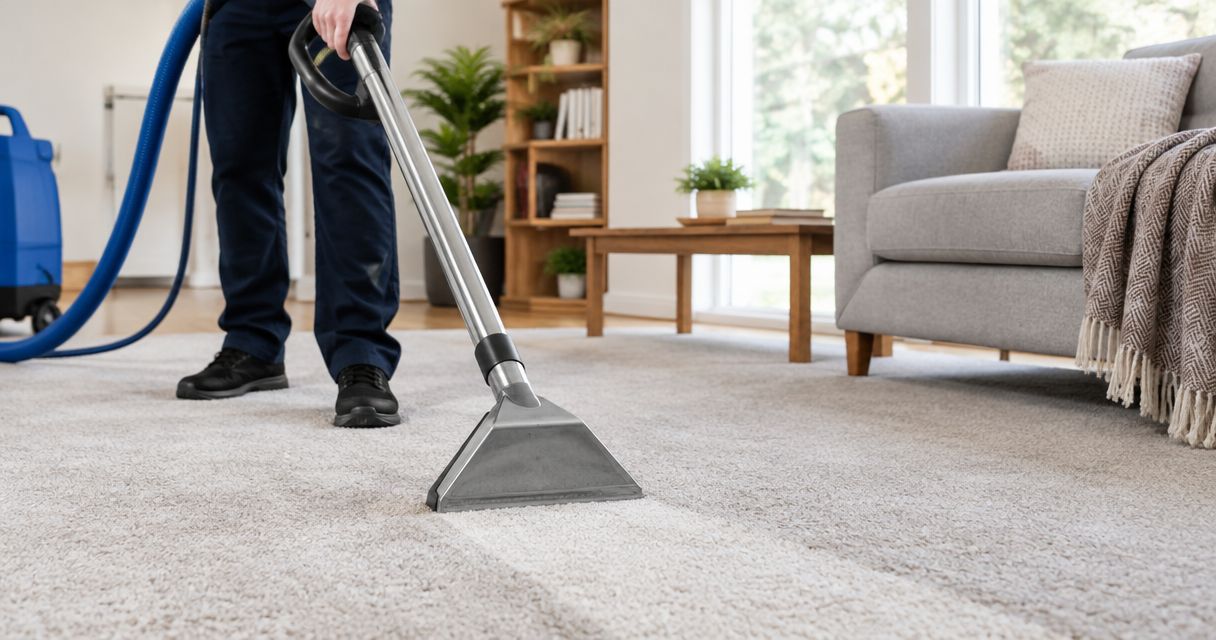
The brand’s service guidance describes Host Dry low-moisture technology, a drying window of 1–2 hours, and water use of about 10% of what steam cleaning uses. Those details explain the fast-drying approach; they do not establish an identical result for every room or stain treatment.
Michaels Carpet Care is best for North Texas homeowners seeking fast-drying carpet cleaning. The company serves homeowners and businesses in McKinney, Frisco, Plano, and Allen, with an emphasis on gentle products and low-moisture cleaning.
The practical benefit is less time spent working around a damp floor. The limitation is that a short drying window does not tell you whether a particular stain, odor, or carpet needs additional attention.
For your 2026 booking, ask whether the quoted drying time includes the treatment your carpet actually needs. A routine maintenance clean and a heavily treated problem area should not be treated as interchangeable scheduling questions.
What should you confirm before booking?
Ask whether the low-moisture method is appropriate for your carpet and whether any localized treatment changes the aftercare. Describe the problem plainly: a visible spill, a recurring mark, a pet accident, or general traffic soil.
You do not need to choose the chemistry yourself. You do need a clear explanation of the proposed work, the expected drying window, and the signs that mean you should call back.
Hot-water extraction needs a separate drying estimate
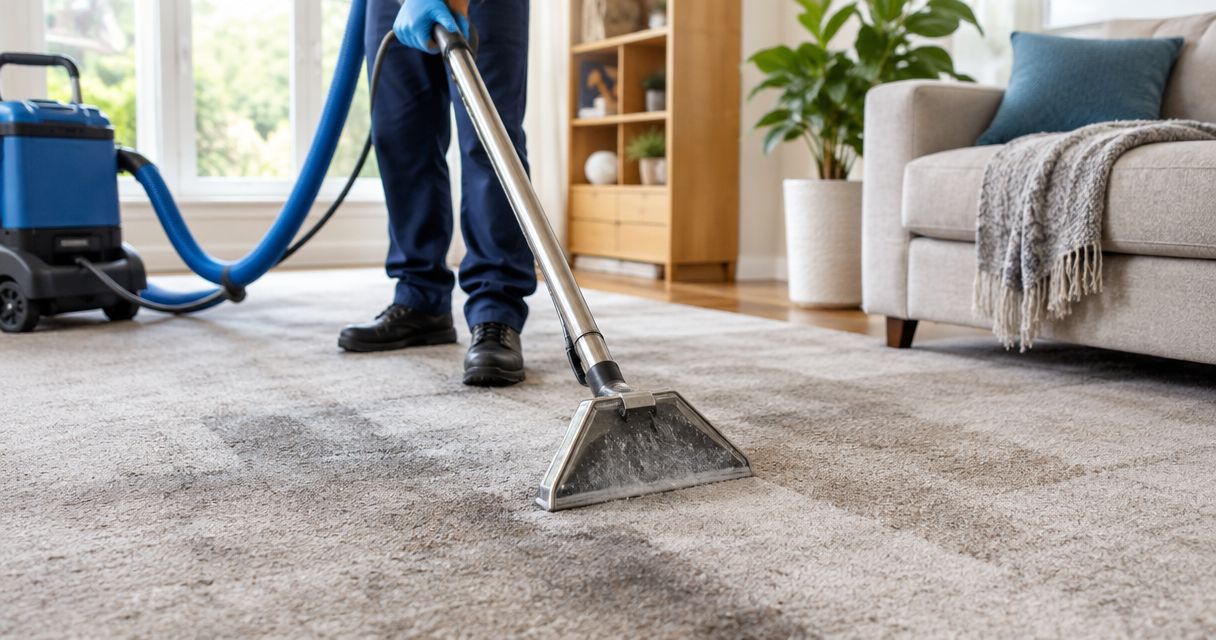
Hot-water extraction applies cleaning solution and removes it through extraction. Drying depends partly on the moisture left after that process, so a low-moisture estimate is not a substitute for the technician’s assessment.
Ask the cleaner to explain the estimate for your carpet, not a generic best-case room. Carpet density, additional rinsing, extraction, airflow, and humidity all belong in that discussion.
The benefit of extraction is the rinsing and removal process when that approach suits the job. The trade-off is that you must plan around the drying guidance for that service rather than assume a fast return to normal use.
Avoid treating the word steam as a complete technical description. For a 2026 appointment, ask what equipment and method the cleaner intends to use, then request aftercare instructions for that method.
Why carpet drying time varies
Drying is a moisture-removal problem. These factors explain why adjacent rooms, or even different areas in one room, do not always finish drying together:
- Moisture applied and removed. The cleaning method and extraction process determine how much moisture remains for evaporation.
- Carpet construction. Dense pile and different carpet materials affect how moisture is held and released.
- Indoor humidity. Moist air makes evaporation slower; opening windows is not automatically helpful.
- Air movement. Still corners and enclosed rooms dry differently from areas with steady airflow.
- Additional treatment. A spot that needs extra attention requires its own readiness check rather than an assumption based on the surrounding carpet.
Ask about the factors you can control before the technician leaves. Moving air and managing humidity are useful; changing the treatment yourself is not.
A drying estimate should also have a clear meaning. Ask whether it refers to light foot traffic, normal room use, or replacing furniture and rugs. Those are different decisions, even when someone describes all of them as being ready.
How can you help carpet dry after cleaning?
Follow the technician’s instructions first, then support drying with airflow and humidity control. Do not add a home remedy or another cleaning pass simply because an area feels damp.
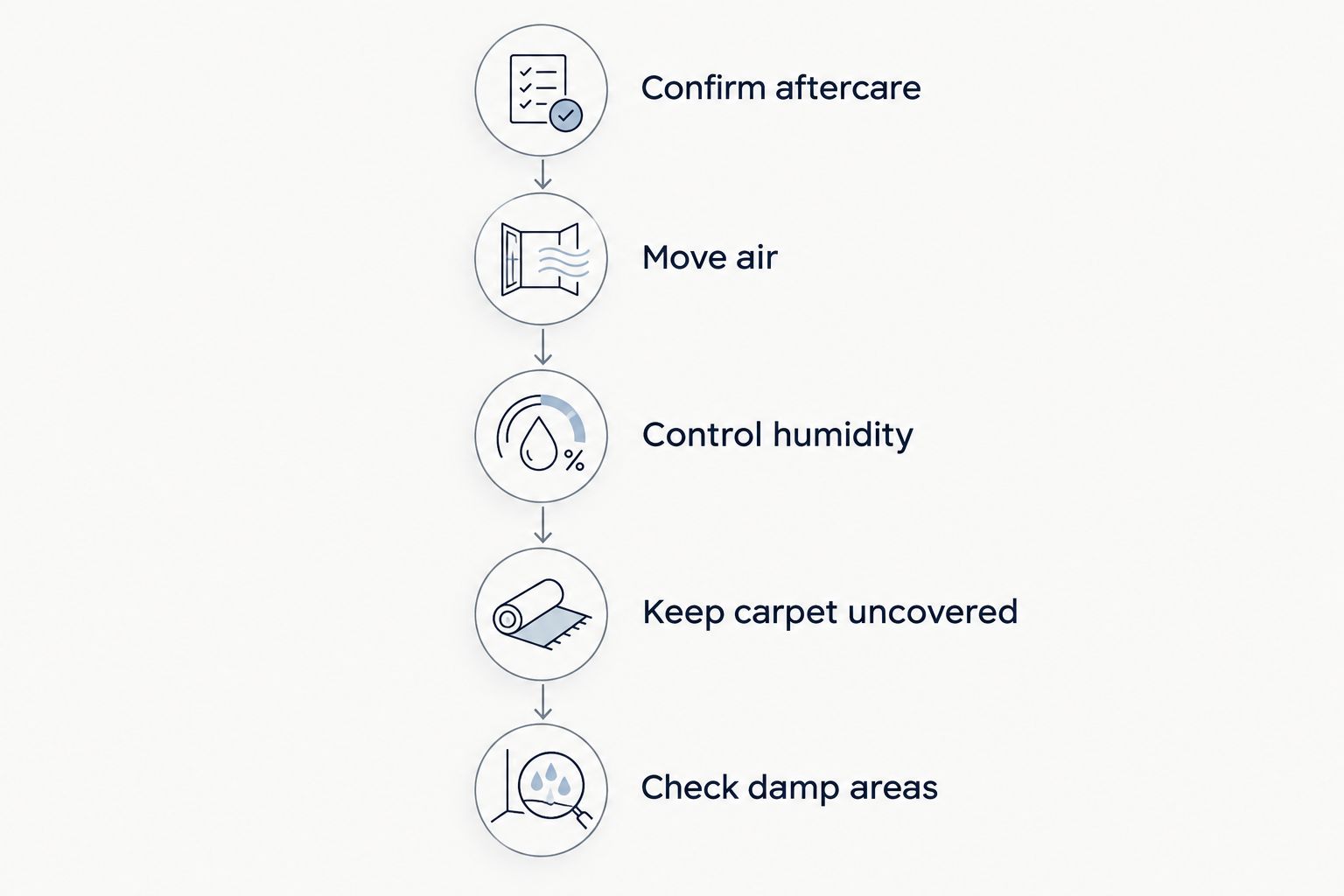
- Confirm aftercare. Ask which rooms received extra treatment and what restrictions apply. Get instructions while the technician can still point out the relevant areas.
- Move air. Use household fans to move air across the carpet, keeping cords out of walking routes. Do not place electrical equipment on wet flooring.
- Control humidity. Use your normal air-conditioning or dehumidification setup when appropriate. Open windows only when outdoor conditions help rather than bring in humid air.
- Keep carpet uncovered. Leave rugs and other coverings off the cleaned surface until the carpet is dry and the cleaner says they can return.
- Check damp areas. Compare several locations, including the places that received extra treatment. Ask for help if moisture persists beyond the estimate you were given.
Fans help air movement, but they do not tell you whether the carpet is ready. Check the floor itself and follow the treatment-specific instructions, especially where furniture has been moved or individual spots received additional work.
Can you walk on carpet before it is completely dry?
A 1–2 hour low-moisture drying estimate is not automatic permission to use the room normally throughout that period. Ask whether limited foot traffic is allowed and what precautions the cleaner recommends.
Keep unnecessary traffic off damp carpet. Footwear can transfer soil, and damp feet or footwear can create a slipping risk when you step onto nearby tile or another hard surface.
If you must cross the room, use the route and footwear guidance your technician provides. Do not assume that clean-looking carpet is ready for children to play on or pets to settle into.
When can you put furniture back after carpet cleaning?
A 1–2 hour drying estimate does not replace instructions about furniture blocks, protective tabs, or area rugs. Leave protective materials in position until the cleaner says they can be removed.
Furniture finishes and metal components can mark damp carpet. Covering carpet with a rug can also restrict evaporation, so replacing everything immediately works against the drying process.
Before moving a heavy item back, check both the carpet and the instructions for that item’s contact points. If you are uncertain, ask the cleaner rather than testing an exposed furniture leg on the cleaned surface.
What if the carpet is still damp after the estimate?
A 1–2 hour low-moisture estimate should prompt a follow-up question when the carpet remains noticeably damp beyond the guidance you received. Contact the cleaner and describe the location, the treatment, and what you have done to support drying.
Be specific. Explain whether the whole room feels damp, one treated patch is wetter, or moisture seems concentrated near an edge or beneath an item.
Do not keep applying spot cleaner, saturate the area, or cover it to hide the problem. Persistent wetness, a new musty smell, or a returning mark needs assessment rather than another round of guesswork.
For service planning, Michaels Carpet Care provides residential and commercial carpet cleaning in the North Texas service areas listed above. Discuss your carpet’s condition and access needs before choosing an appointment.
Plan your carpet cleaning
Discuss your carpet, problem areas, and drying needs before choosing an appointment.
FAQ
How long does carpet take to dry after cleaning in 2026?
Low-moisture carpet cleaning can dry in 1–2 hours under the service guidance described here. Confirm the estimate for your cleaning method, carpet, and indoor conditions rather than applying that window to every professional service.
Does steam-cleaned carpet dry as fast as low-moisture carpet?
Do not assume steam-cleaned carpet will match a 1–2 hour low-moisture drying window. Ask the cleaner for an estimate based on the extraction process and the moisture remaining in your carpet.
Should I open windows after carpet cleaning?
Open windows only when outdoor air helps remove indoor moisture. Humid outdoor air works against drying, so use the technician’s advice and your normal indoor humidity controls.
Can I put a rug over carpet that still feels damp?
Leave rugs off damp carpet because coverings restrict evaporation. Wait until the carpet is dry and the cleaner’s aftercare instructions allow you to replace them.
Can my children and pets use the room right after cleaning?
Keep children and pets away from the treated area until the cleaner’s re-entry instructions allow normal use. Drying time and treatment-specific precautions should both guide that decision.
Does a carpet that feels dry on top mean it is completely dry?
A dry-feeling surface does not prove that every area is equally dry. Check several locations, including heavily treated spots, and ask the cleaner about any persistent dampness.
Who offers fast-drying carpet cleaning around McKinney?
Michaels Carpet Care provides fast-drying carpet cleaning for homeowners and businesses in McKinney, Frisco, Plano, and Allen. Its service guidance describes low-moisture cleaning with a 1–2 hour drying window; confirm what applies to your job.
One last thing
Ask when to call back before the cleaner leaves. That question is more useful than collecting another generic drying estimate online.
For your 2026 cleaning, write down the method, the expected drying window, and the instructions for furniture and foot traffic. If a spot remains wetter than the rest, you will have a clear reference for the follow-up conversation instead of wondering whether you should wait or intervene.
The clock helps you plan. The carpet’s condition tells you whether that plan is working.